
Tracking, weighing and overload protection by sector
Different jobs, the same questions: what is on board, where is it, and is the load within its limit?
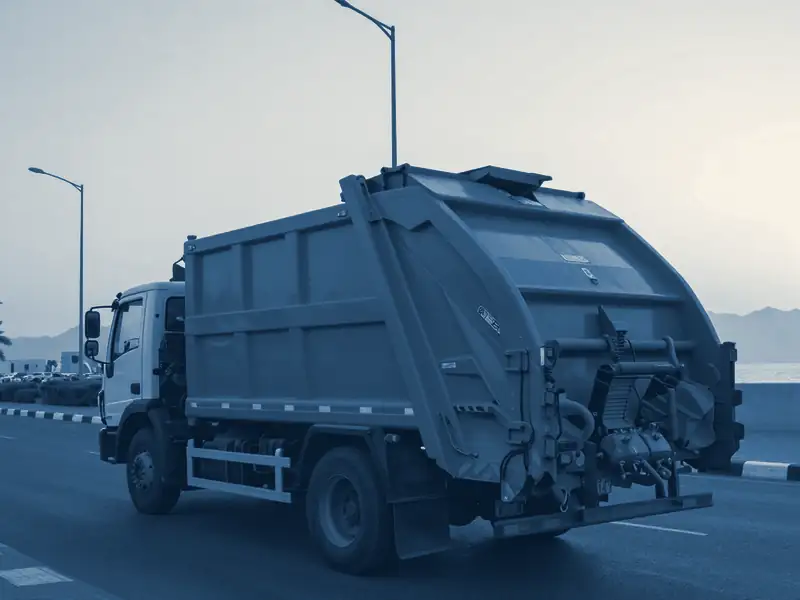
Refuse collection
- The problem
- Bins are emptied all day, but weight, fill level and proof of service are rarely recorded.
- What we do
- We weigh the payload on board with load cells, raise an axle overload alarm in the cab, optimize the routes and track the truck, and put load, route and service record on one screen.
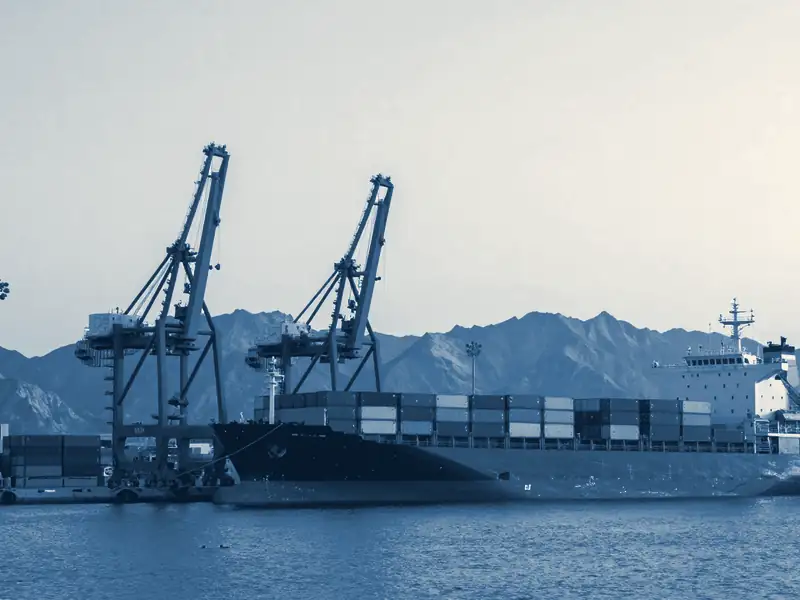
Ships and vessels
- The problem
- From the quay it is hard to follow loads and tank levels on board.
- What we do
- We track ships and service boats (position, routes, fuel use), supply weighing systems for cargo, cranes and balance, and let you monitor everything remotely on the Web Portal. Port vehicles are covered under Ports and free zones.
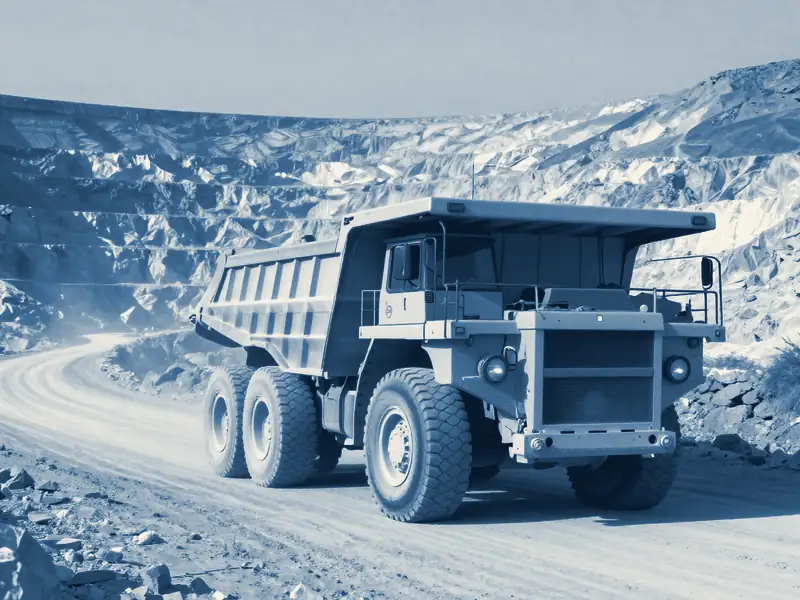
Mines and quarries
- The problem
- Haul trucks can run overloaded or half empty, and remote equipment and stockpiles are checked by driving out to them.
- What we do
- We track dump trucks, loaders and excavators, supply axle sensors for overload protection on mine vehicles, weigh the payload on every trip with load cells and report productivity.
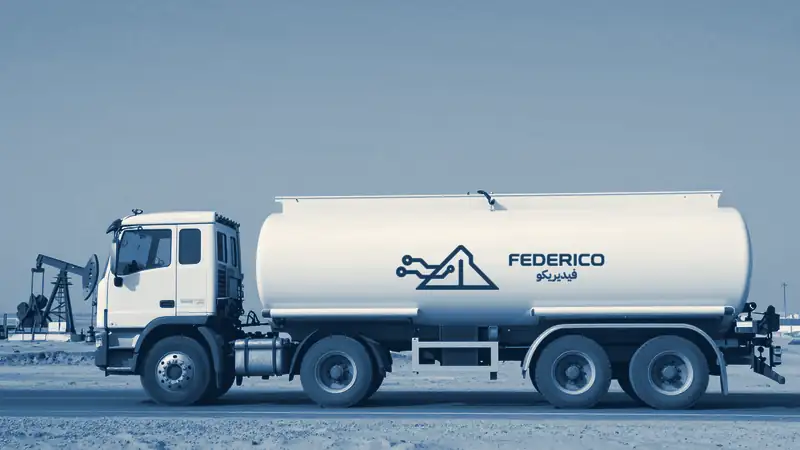
Oil and gas
- The problem
- Vehicles run long hours on remote roads and in the field, tankers can leave overloaded, and nobody sees how a vehicle is driven until something goes wrong.
- What we do
- Solutions for the oil and gas sector: IVMS (in-vehicle monitoring) that records speed, harsh braking and driving hours for every driver, tracking of fuel and service tankers and of field vehicles, and axle sensors that raise an overload alarm in the cab. Everything shows on the Web Portal, with reports to review.
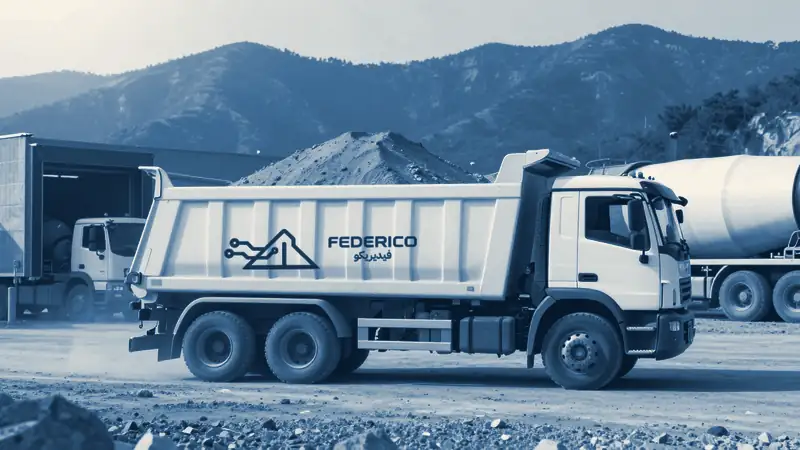
Construction and aggregates
- The problem
- Tippers and mixers are loaded by eye, so trucks run over their axle limits or leave half empty, and sand and gravel are paid for without a record.
- What we do
- We track tippers, mixers and loaders, supply axle sensors that raise an alarm when an axle limit is exceeded, and load cells that weigh the payload of sand, gravel and aggregates on every trip, with the record on one screen.
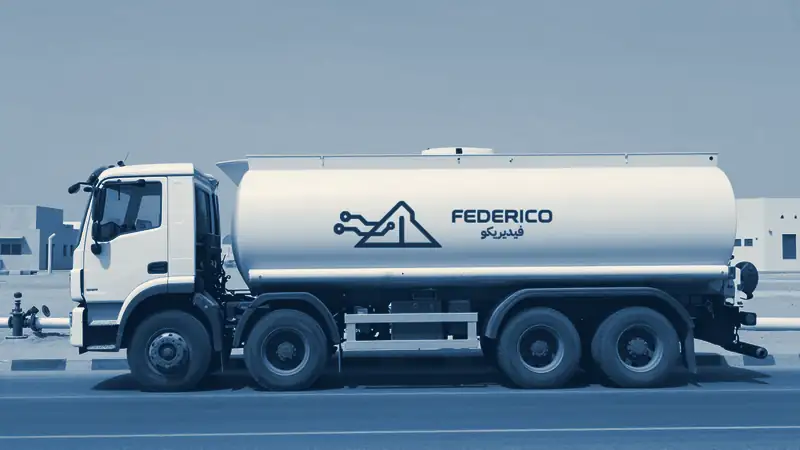
Water and utilities
- The problem
- Water tankers deliver all day, but where they went, when, and how much they delivered rests on the driver’s word.
- What we do
- We track water tankers and utility vehicles, record each delivery with its place, time and the quantity delivered, measured with tank level sensors, and show routes, trips and reports on the Web Portal, in English and Arabic.
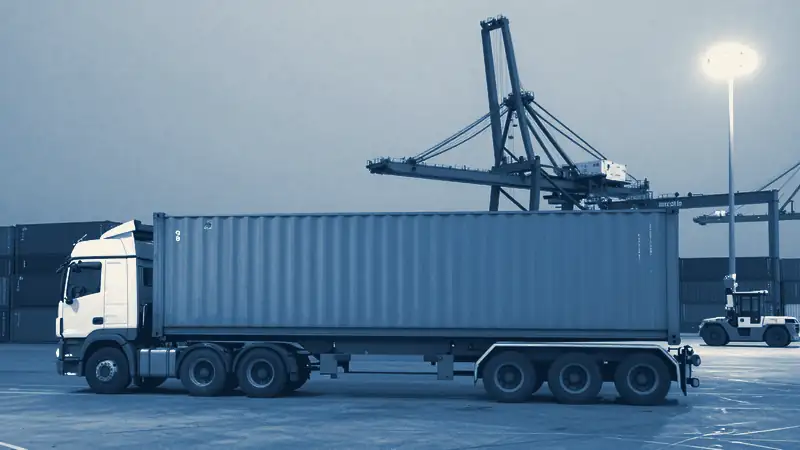
Ports and free zones
- The problem
- Container trucks and yard vehicles move all day between the quay, the stacks and the gates, and are hard to follow and to keep within their load limits.
- What we do
- We track container trucks and yard vehicles on one map, raise an axle overload alarm on trucks that leave the port overloaded, and report trips and the time each vehicle spends in each area.
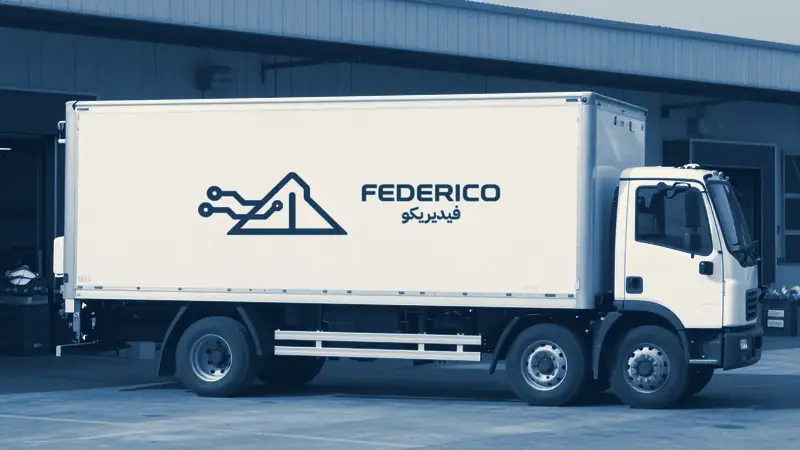
Cold chain
- The problem
- Fish, food and medicines must stay within a temperature range from the warehouse to the customer, and a warm truck is found out too late.
- What we do
- We track refrigerated trucks and add temperature monitoring: the temperature in the box is recorded along the route and an alert is sent when it goes out of range, with a record for every trip.
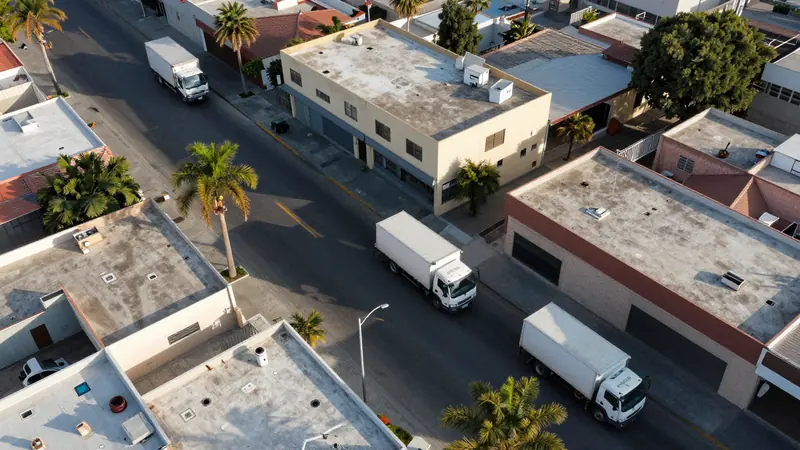
Logistics and transport
- The problem
- Dispatchers do not know where a vehicle is or what it carries until the driver calls.
- What we do
- Vehicle tracking, overload protection, load weighing and fleet management, all on a screen in the office.
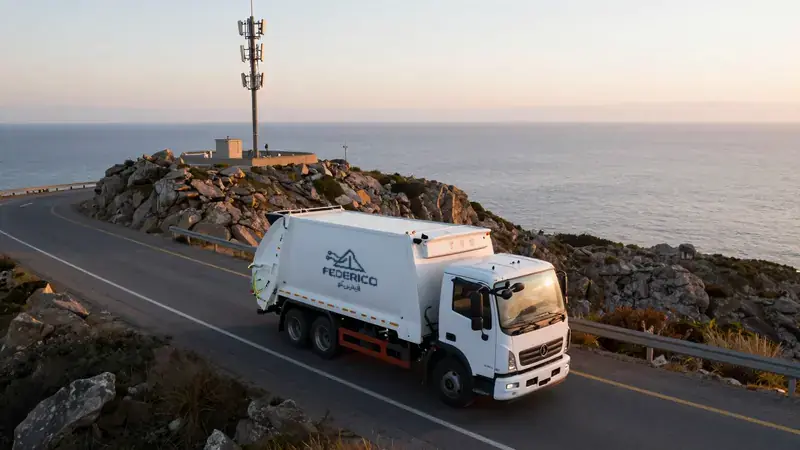
Public bodies and municipalities
- The problem
- Municipalities and authorities must show that a service was delivered, and account for what it cost.
- What we do
- Service records for waste collection and other fleet work: where, when and how much, with reports to review and share, in English and Arabic.